
Water vs Income
Why access to safe drinking water underpins economic opportunity
Economic participation does not begin with jobs or markets.
It begins with the conditions that allow people to work, learn, and contribute productively.
In communities without reliable access to safe drinking water, economic potential is constrained long before individuals enter the workforce. Preventable illness, time poverty caused by water collection and caregiving, and fragile living conditions reduce productivity, delay participation in paid work, and limit the ability of households to build and sustain income.
These pressures do not simply slow economic progress - they systematically undermine earning capacity and weaken the foundations of local and national economies.
Safe drinking water is therefore not only a health or social issue, it is a foundational economic input.

When access to safe drinking water is limited, economic potential is lost
In many parts of the world, unsafe or unreliable water access affects income and productivity through multiple pathways:

Reduced workforce productivity
Illness linked to unsafe water leads to missed workdays, reduced physical capacity, and lower earning potential.

Time poverty
The loss of productive hours due to water collection, illness, and caregiving — directly limits earning capacity.

Higher household costs
Medical expenses, lost income, and coping strategies place additional financial strain on families.

Constrained local economies
Businesses and services struggle to operate without reliable water, limiting job creation and economic growth.
Water access and economic outcomes
Access to safe drinking water plays a critical role in enabling sustained economic participation.

When this access is unsafe, unreliable, or distant:

Workers are more frequently absent or unwell
Productivity declines across households and communities
Informal and formal economic activity is disrupted
Long-term income growth becomes harder to sustain
Where access to safe drinking water improves, people are better able to work consistently, pursue education and skills development, and participate in local economies.
These impacts are not isolated. They are part of a wider system.

A systems perspective
Water and income are part of an interconnected system. Access to safe drinking water supports:

Workforce health and productivity

Time availability for paid and unpaid work


Business and service reliability

Household economic resilience

Long-term economic development


Health & Time
Productivity
Income
Investment

Income, in turn, supports improved water outcomes by enabling investment in infrastructure, maintenance, and sustainable resource management.
Economic development does not improve through markets alone.
It improves when the systems that support daily life and productivity are functioning.
Health, time, and earning capacity
Economic participation depends on both health and time. Unsafe water increases disease risk, while distant or unreliable water access consumes hours each day. Together, these factors reduce the ability of individuals to:

Maintain regular employment

Engage in productive labour

Develop skills or run small enterprises
Improving access to safe, nearby drinking water restores both health and time, two essential inputs for income generation.
The household-level economic impact
At the household level, lack of safe drinking water often results in:
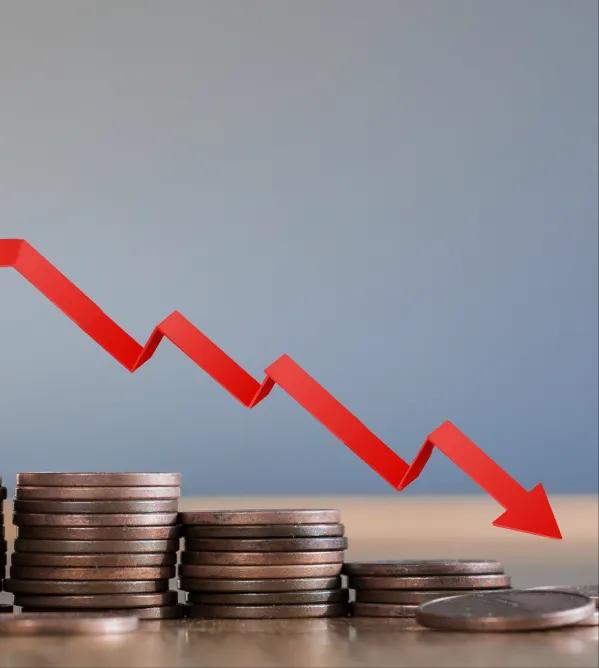
Lost income due to illness or caregiving

Increased medical expenses

Reduced savings and investment capacity

Greater vulnerability to economic shocks
Over time, these pressures limit upward mobility and reinforce cycles of poverty.
Seeing the relationship in the data
At a global scale, countries with lower access to safely managed drinking water consistently show lower labour productivity, reduced workforce participation, and weaker income growth.
Lost working days, reduced labour participation, and increased healthcare costs contribute to substantial economic losses each year. These patterns reflect the central role water plays in enabling economic activity at scale.
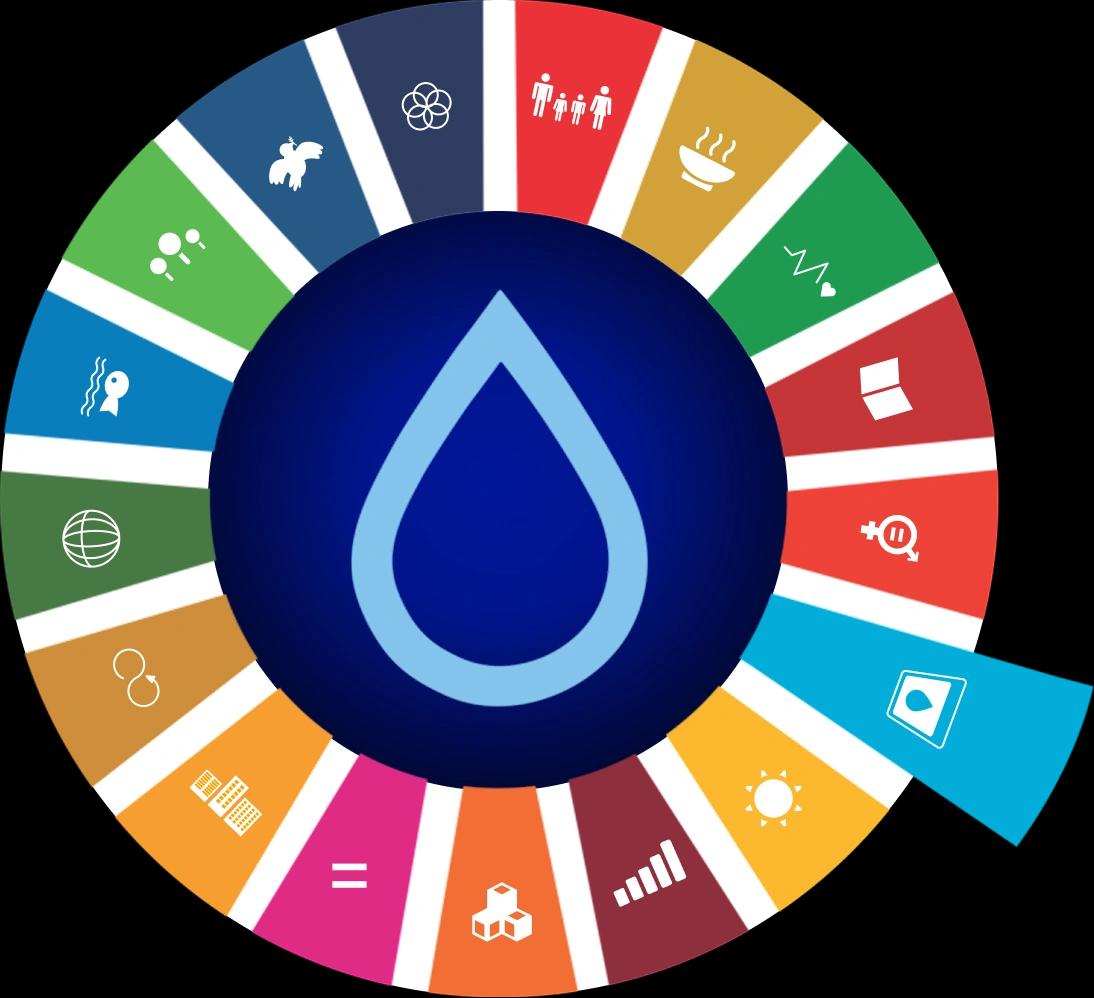
Linked to SDG 6.1
SDG Target 6.1 aims to achieve universal and equitable access to safe drinking water for all. Progress toward this target supports economic outcomes by:

Reducing preventable illness in the workforce

Increasing productivity and labour participation

Lowering household and public healthcare costs

Strengthening the foundations for inclusive economic growth
Safe drinking water is not only a social or health objective, it is an economic enabler.

A simple truth
People cannot work productively when they are sick.
They cannot build income when time is consumed by basic survival needs.
Economies cannot grow when foundational systems fail.
Safe drinking water is not separate from income,
it is one of its foundations.
From Water Access to Human Development
Health, education, and income are not measured in isolation. Together, they form the basis of how human development is understood and compared globally. Access to safe drinking water underpins all three.
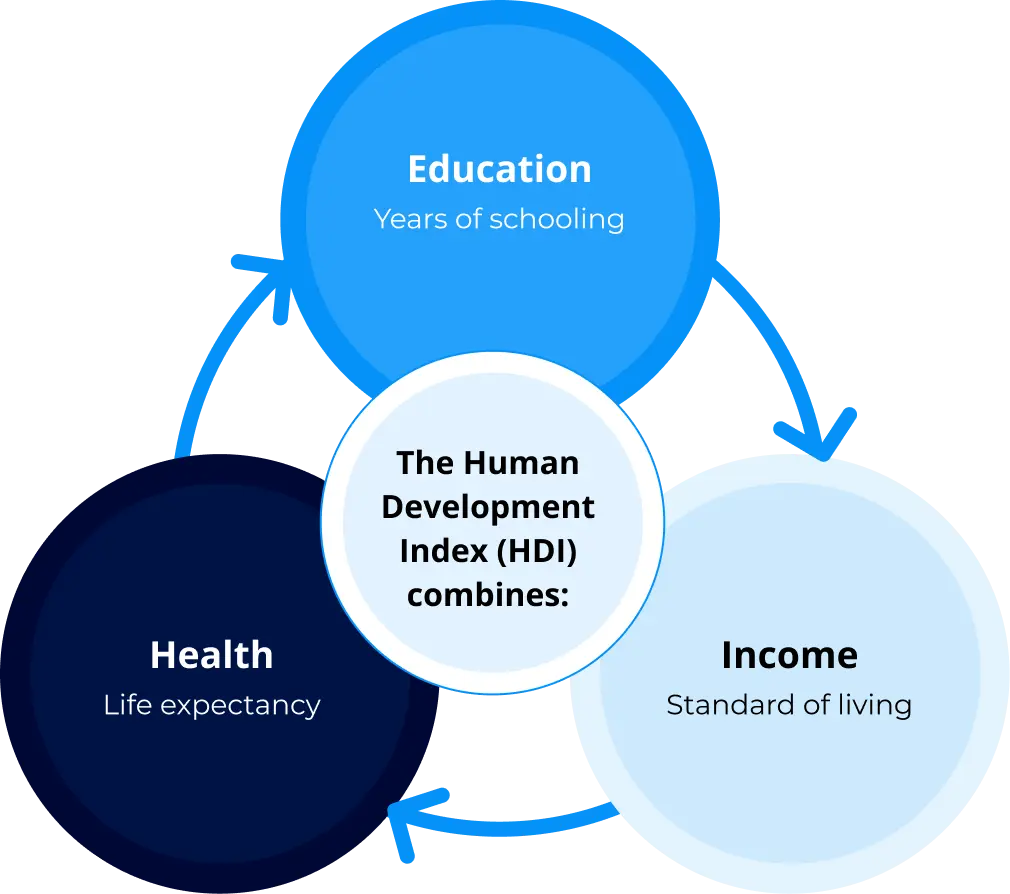
How water access connects the system
Health
Safe drinking water reduces preventable illness and supports longer, healthier lives.
Education
Healthy students attend school more consistently and are better able to learn.
Income
Improved health and education increase productivity and economic participation.
When access to safe drinking water improves, gains are often seen across all three dimensions, reinforcing one another over time.
Safe drinking water is economic infrastructure.







Why this matters
Water is not a standalone development issue. It is a foundational input into the systems that HDI measures.
This is why progress toward SDG 6.1, universal access to safe drinking water plays a critical role in improving human development outcomes globally. Investments in safe drinking water are therefore not welfare spending — they are productivity-enhancing economic investments.