
Water vs Health
Why safe drinking water is foundational to human health
Health does not begin in hospitals.
For people to stay healthy, they must first have safe drinking water, reliable sanitation, and the ability to practise basic hygiene.
Safe drinking water is foundational to human health. When water is unsafe, unreliable, or inaccessible, preventable disease, chronic illness, and child mortality increase — placing sustained pressure on households, health systems, and economies. These impacts extend beyond individual outcomes, shaping population health, life expectancy, and resilience across communities.
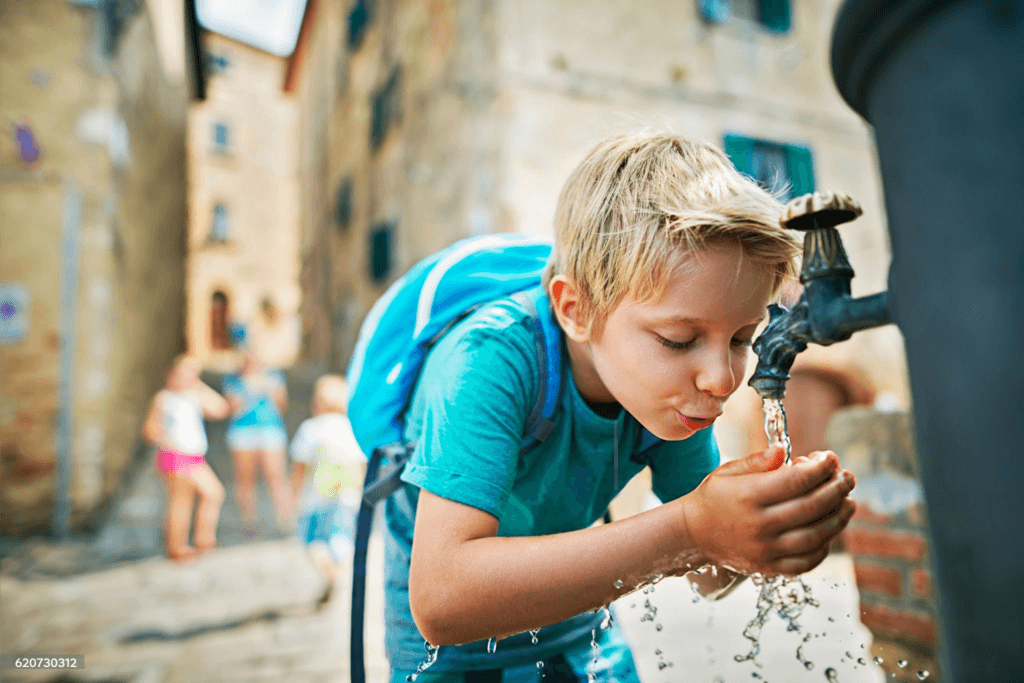

When drinking water is unsafe or unreliable, health is compromised
In many parts of the world, limited or unsafe access to drinking water leads to:

Preventable disease
Illnesses caused by unsafe water, inadequate sanitation, and poor hygiene — remains one of the leading and most avoidable drivers of poor health outcomes.

Chronic health impacts
Ongoing exposure contributes to under nutrition, reduced resilience, and long-term health complications.

Repeated infection
Frequent illness weakens immune systems, particularly among young children and older adults.

Increased pressure on health service
Clinics and hospitals become overwhelmed by illnesses that could have been prevented at the source.
Water access and health outcomes
Access to safe drinking water plays a critical role in protecting health and preventing disease.
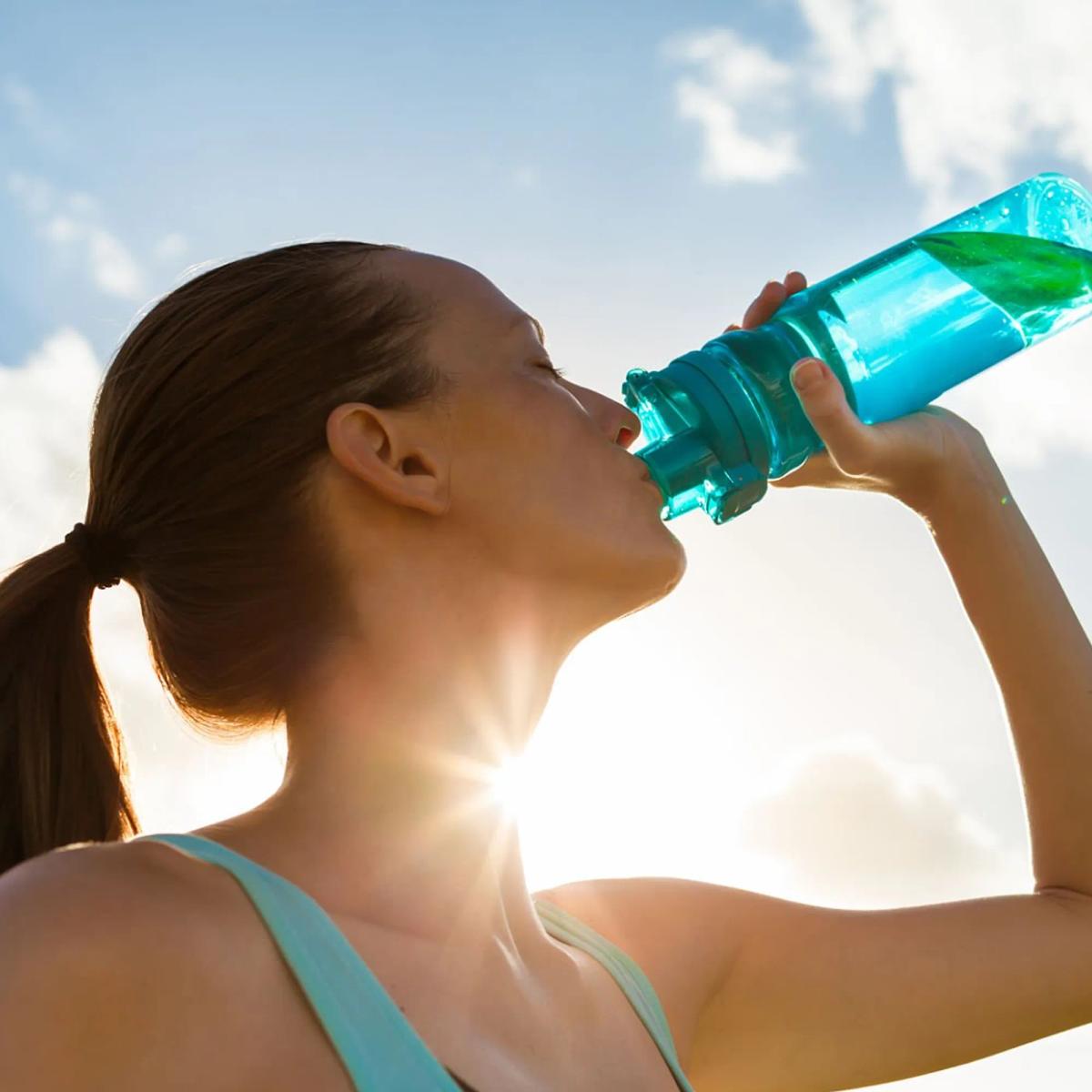

When this access is unsafe or unreliable:

People are exposed to repeated water-related infections
Hygiene practices such as handwashing become harder to maintain
Preventable illnesses become widespread
Health outcomes become harder to sustain over time
Where access to safe drinking water improves, illness rates decline, recovery improves, and communities are better able to maintain good health.
These impacts are not isolated. They are part of a wider system.

A systems perspective
Water and health are part of an interconnected system. Access to safe drinking water supports:

Disease prevention


Stronger immune systems


Effective hygiene and sanitation
Resilient health systems

Community wellbeing


Hygiene & Nutrition
Disease prevention
Health systems resilience
Population health

Health systems, in turn, rely on safe water to function effectively, from infection control and patient care to sanitation and hygiene in clinical settings.
Health does not improve through treatment alone.
It improves when the systems that prevent illness are functioning.
Hygiene, water, and everyday health
(Conceptually informed by community hygiene education)
Health is shaped not only by water quality, but by how water is collected, stored, handled, and used each day. Community-based hygiene education consistently shows that when households lack safe and sufficient water:
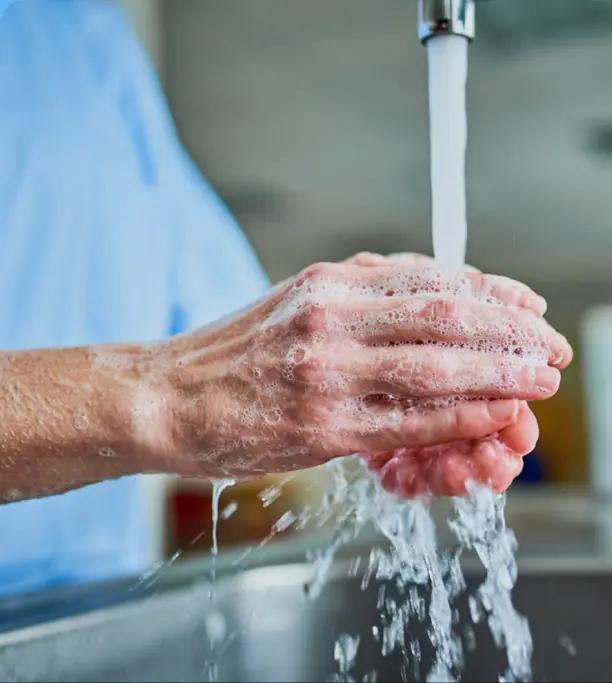
Handwashing becomes inconsistent

Food preparation becomes unsafe
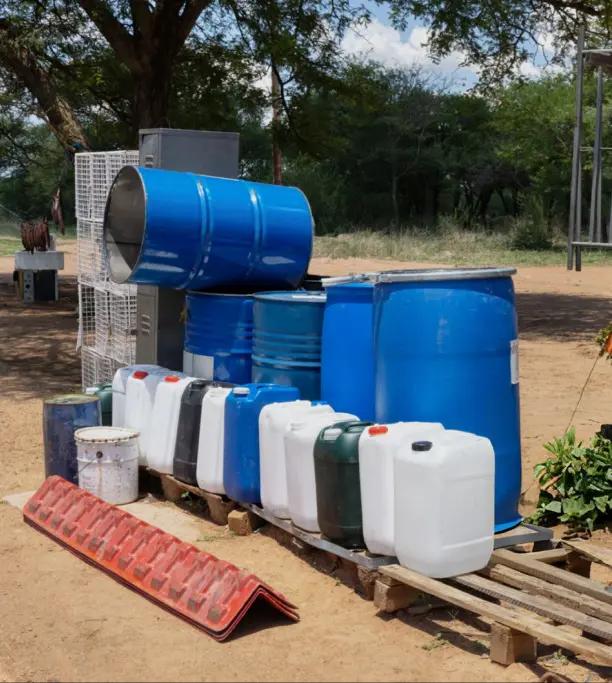
Water storage introduces contamination

Disease spreads more easily within households and communities
Even where healthcare exists, preventable illness persists when daily water and hygiene conditions are inadequate.
Children carry the greatest health burden
Young children are particularly vulnerable to water-related disease.
Many water-related illnesses are treatable — but their repetition causes long-term harm. Preventing exposure in the first place is far more effective than treating illness after it occurs.
Repeated infections in early life can:

Disrupt physical growth

Reduce nutrient absorption

Weaken immune systems

Increase vulnerability to other illnesses
Reliability and proximity matter for health
Health outcomes depend not only on water quality, but also on how reliably and easily water can be accessed. When water is distant, limited, or unreliable:

Hygiene practices decline
Sanitation systems break down
Disease transmission increases
Consistent access to nearby, safe drinking water enables the everyday behaviors that protect health.
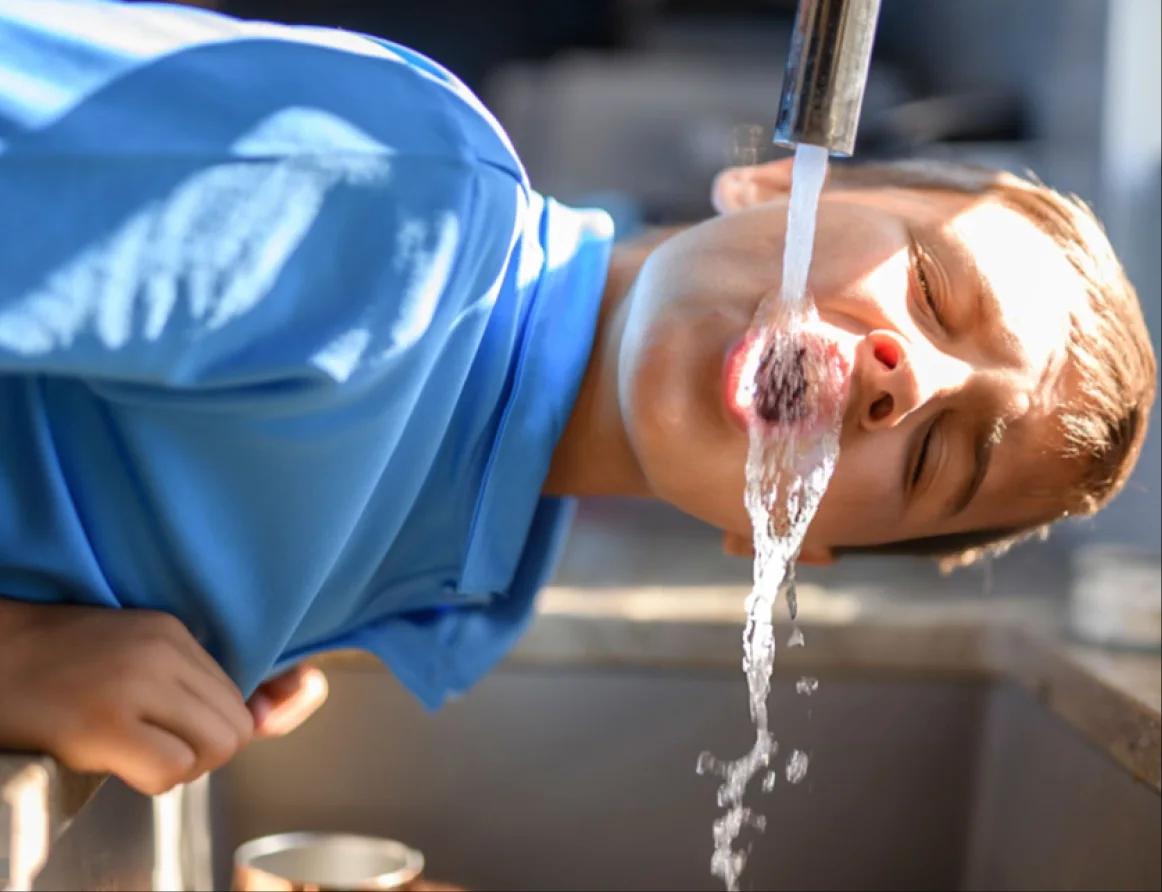
Seeing the relationship in the data
At a population level, inadequate access to safe drinking water is strongly associated with higher rates of diarrhoeal disease, child mortality, and preventable infections.
These patterns are not coincidental. They reflect the foundational role safe drinking water plays in protecting health at scale.
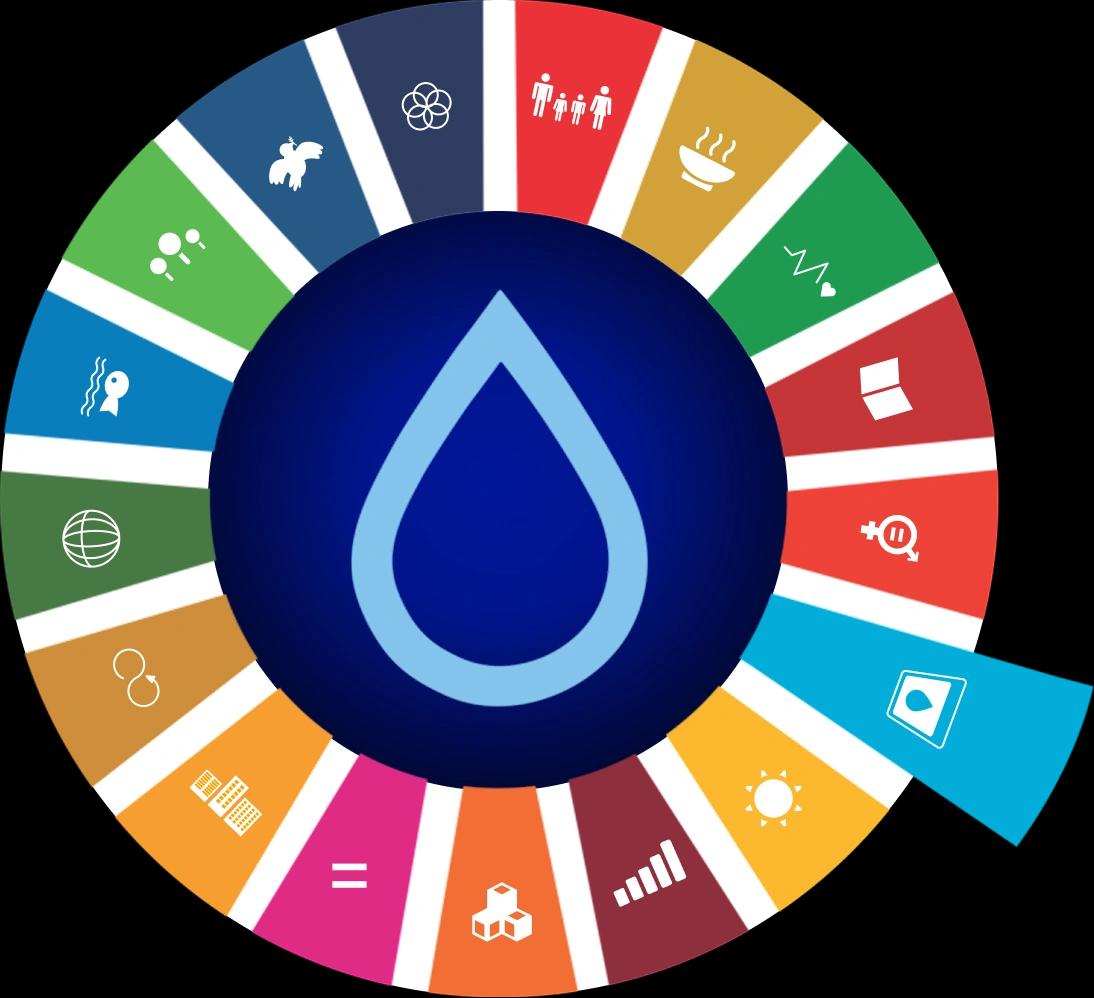
Linked to SDG 6.1
SDG Target 6.1 aims to achieve universal and equitable access to safe drinking water for all. Progress toward this target supports health by:

Preventing water-related disease
Reducing child illness and mortality

Strengthening health systems

Improving resilience to health and climate shocks
Safe drinking water is not only a development objective, it is a global health imperative.
A simple truth
Most water-related diseases are preventable.
Most preventable diseases begin with unsafe water.
Safe drinking water is not separate from health,
it is one of its foundations.
From Water Access to Human Development
Health, education, and income are not measured in isolation. Together, they form the basis of how human development is understood and compared globally. Access to safe drinking water underpins all three.
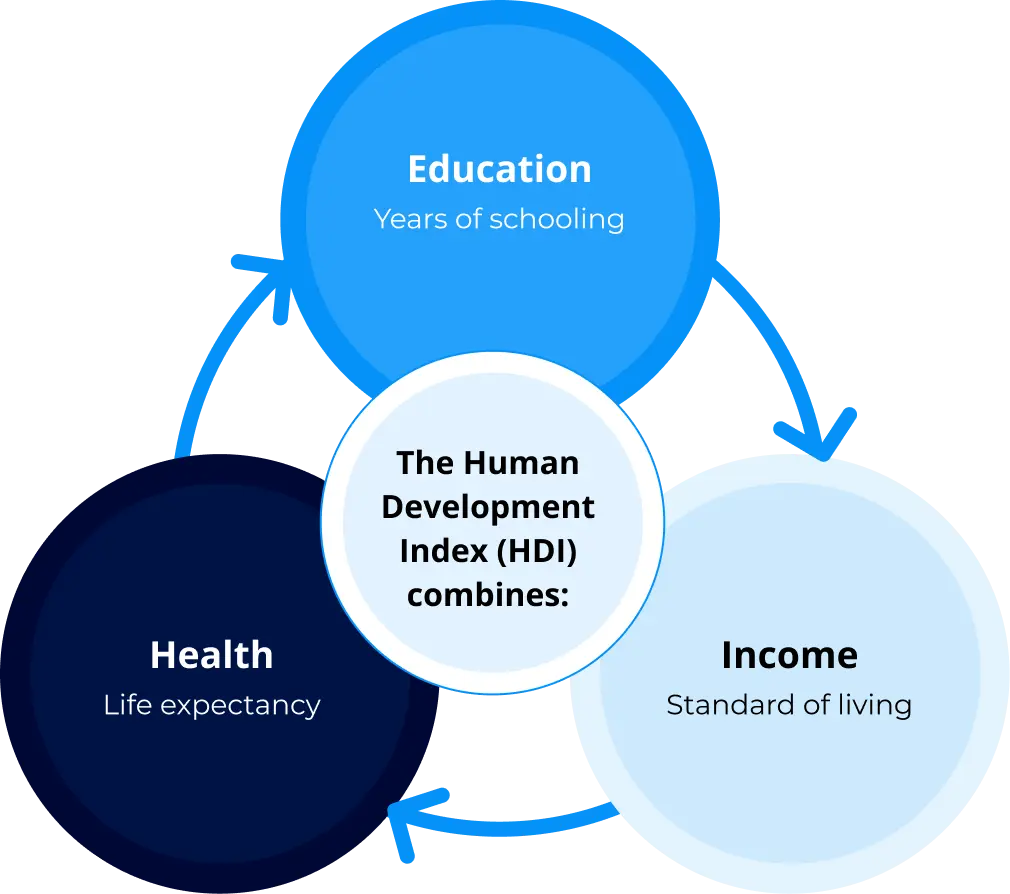
How water access connects the system
Health
Safe drinking water reduces preventable illness and supports longer, healthier lives.
Education
Healthy students attend school more consistently and are better able to learn.
Income
Improved health and education increase productivity and economic participation.
When access to safe drinking water improves, gains are often seen across all three dimensions, reinforcing one another over time.
Safe drinking water is public health protection.







Why this matters
Water is not a standalone development issue. It is a foundational input into the systems that HDI measures.
This is why progress toward SDG 6.1, universal access to safe drinking water plays a critical role in improving human development outcomes globally.