
Water vs Education
Why water access matters for education
Education does not happen in isolation.
For children to learn, they must first be healthy, present, and able to concentrate.
When access to safe drinking water is unsafe, unreliable, or distant, learning is disrupted long before children enter the classroom. Illness, time poverty caused by water collection, and inadequate sanitation reduce attendance, impair concentration, and limit the ability of students to participate fully in education.
These constraints do not simply affect individual learners — they weaken education systems and reduce the long-term human capital of communities and countries.
Safe drinking water is therefore not only a health or social issue, it is a foundational economic input.


When access to safe drinking water is unsafe, unreliable, or distant, learning is disrupted
In many parts of the world, limited or unsafe access to drinking water affects:

School attendance
Frequent illness linked to unsafe water causes children to miss school regularly.

Student Learning loss
The cumulative reduction in educational progress caused by absenteeism, poor health, and limited classroom readiness — undermines long-term educational outcomes.

Time available for learning
Time spent collecting water reduces time for study, rest, and homework.

Long-term educational attainment
Ongoing disruption increases the risk of falling behind or leaving school early.
Water access and learning outcomes
Access to safe drinking water plays a critical role in creating conditions where education can succeed.

When drinking water is unsafe or difficult to access:

Students may miss school due to illness linked to water quality
Time spent collecting water can reduce time available for education
Schools may struggle to maintain safe, functional learning environments
Learning outcomes can become harder to sustain over time
When access to safe drinking water improves, communities are better able to support regular school attendance, healthier students, and more stable learning environments.
These impacts are not isolated. They are part of a wider system.

A systems perspective
Water and education are part of an interconnected system. Access to safe drinking water supports:

Student health and wellbeing


Consistent school attendance


Water and sanitation conditions in schools

Community stability and development


Health & Time
Attendance
Learning
Educational attainment
Opportunity

Education, in turn, contributes to stronger long-term water outcomes by building the skills, knowledge, and leadership needed to manage water resources sustainably.
Education does not improve through classrooms alone.
It improves when the systems that support children’s daily lives are functioning.
Hygiene, health, and the classroom
Education systems rely on healthy students, yet health is shaped by daily behaviors that depend on water access. Community-based hygiene education consistently shows that when households lack safe and sufficient water:

Handwashing before eating or learning activities declines

Food preparation becomes unsafe

Water storage and handling introduce contamination

Disease transmission increases within families and schools
Even where schools and teachers are present, learning breaks down when students are frequently unwell.
Schools need water to function as learning environments
A school without safe and reliable water cannot support effective education.

Without adequate water access:
Toilets cannot be used hygienically
Handwashing is inconsistent
Classrooms can become sites of disease transmission
Attendance, especially among younger students, declines
Safe drinking water is therefore part of the basic conditions required for schools to function, not an optional add-on.
Time, energy, and the cost to learning
In many communities, children contribute to household water collection. When water sources are distant or unreliable:
Time is taken away from learning and rest

Physical fatigue reduces concentration
Education becomes secondary to daily survival needs
Improved access to nearby, safe drinking water frees time and energy, allowing education to take its intended place in a child’s life.
Water, gender, and education
In some contexts where access to safe drinking water is limited, social and household roles can shape how education is experienced. In these settings, girls may be more likely to:
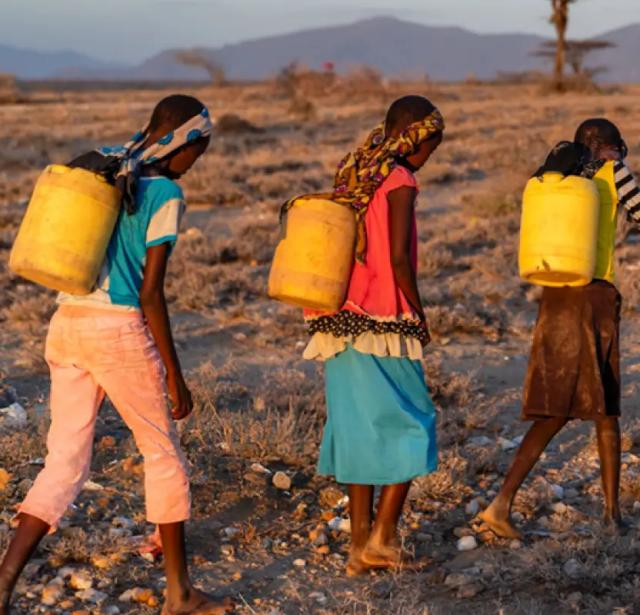
Miss school due to household water responsibilities
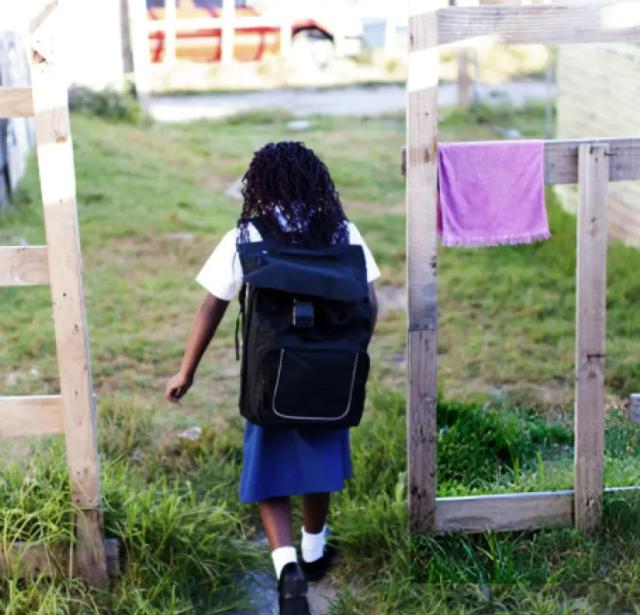
Leave school earlier than boys
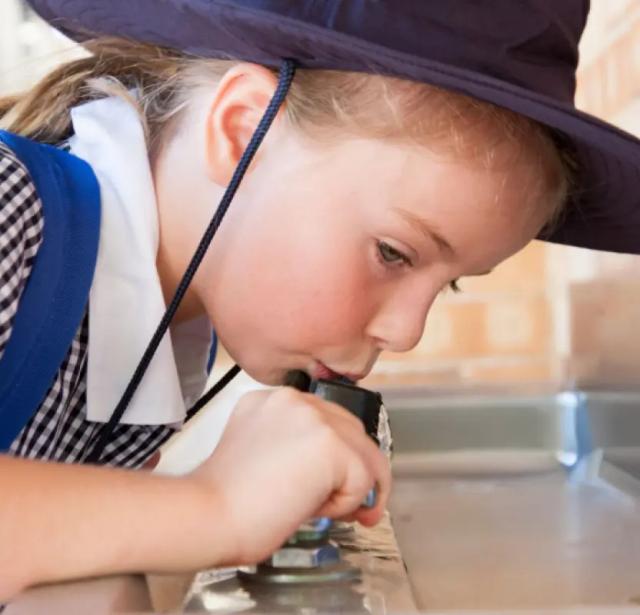
Water storage introduces contamination
Improving access to safe drinking water can help reduce these barriers, supporting more equitable education outcomes where such challenges exist.
At a global scale, regions with lower access to safe drinking water consistently experience weaker education outcomes.
Linked to SDG 6.1
SDG Target 6.1 aims to achieve universal and equitable access to safe and affordable drinking water for all. Progress toward this target supports education by:

Reducing water-related illness

Improving learning environments

Supporting regular school attendance

Strengthening the conditions needed for long-term educational outcomes
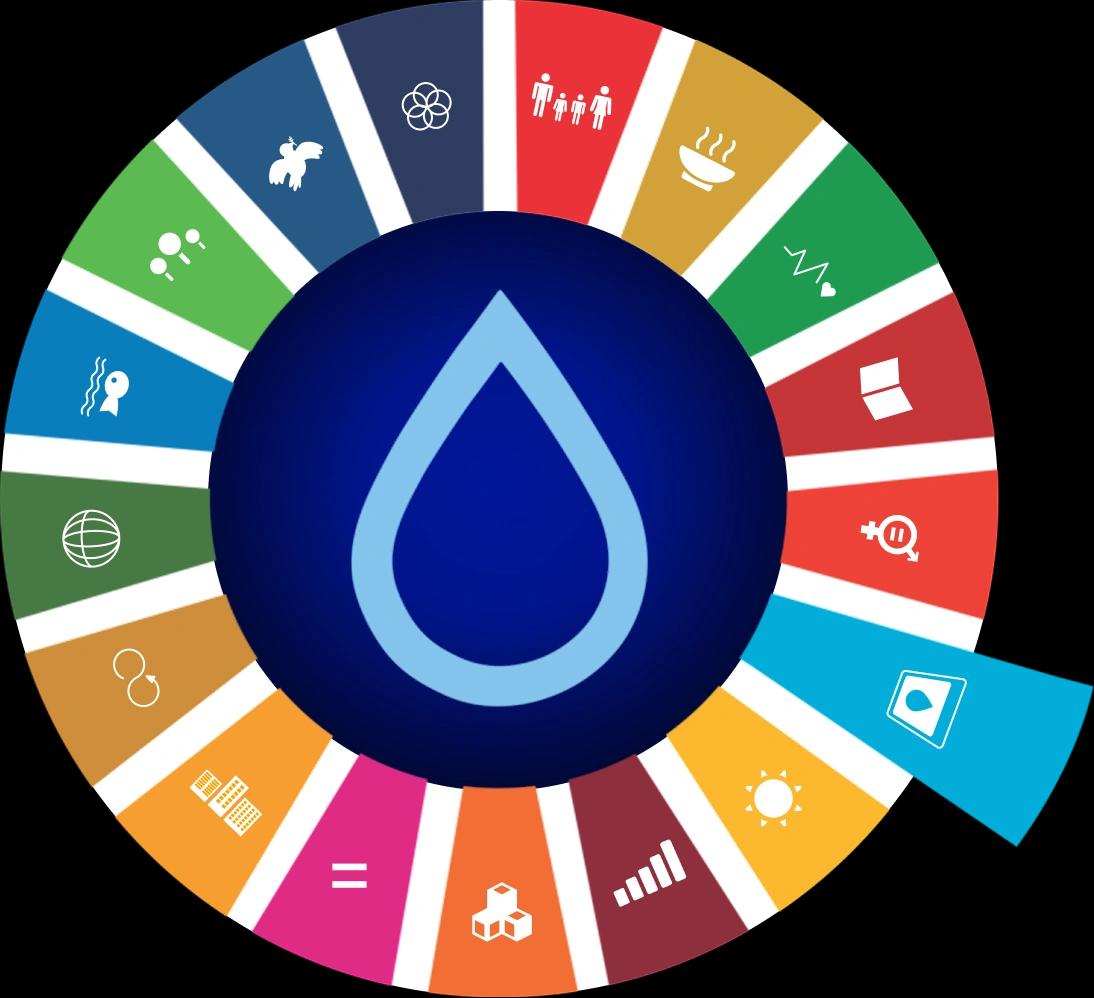
Safe drinking water is not only a health objective, it is a foundational condition for learning.

A simple truth
Children cannot learn when they are sick.
They cannot attend school consistently when water is unsafe or unreliable.
And education systems cannot deliver outcomes without healthy students.
Safe drinking water is not separate from education,
it is one of its foundations.
From Water Access to Human Development
Health, education, and income are not measured in isolation. Together, they form the basis of how human development is understood and compared globally. Access to safe drinking water underpins all three.
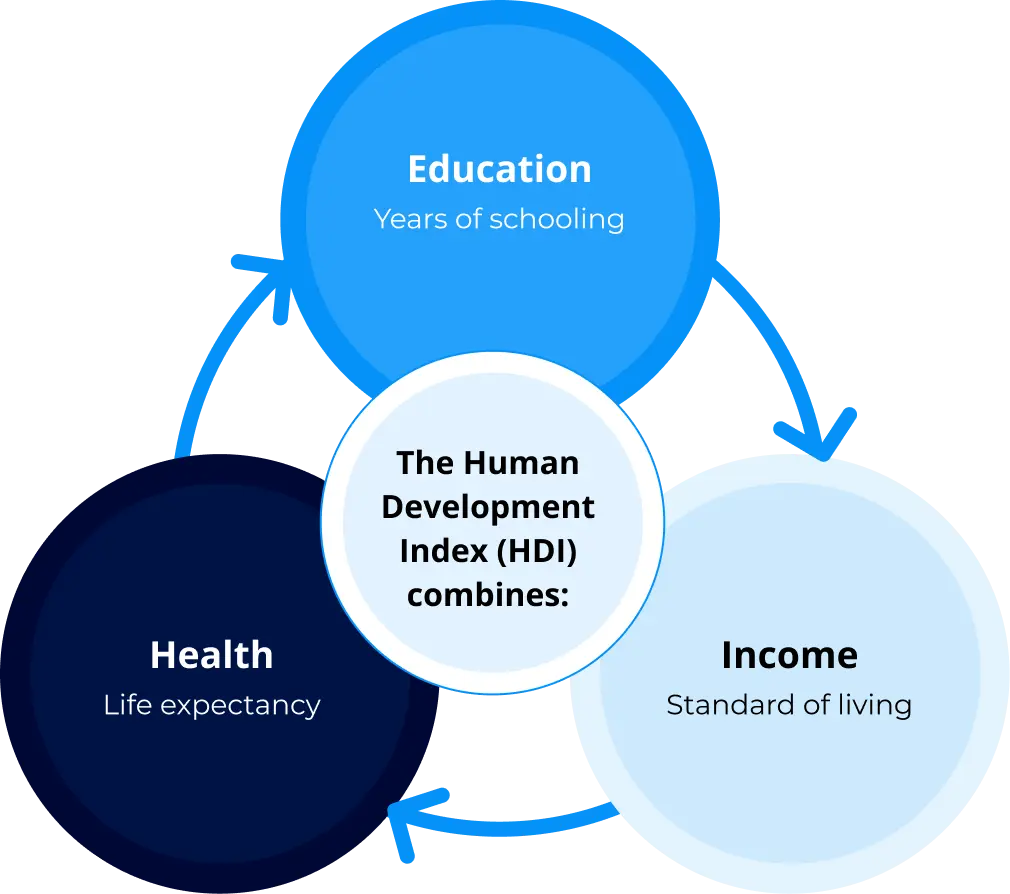
How water access connects the system
Health
Safe drinking water reduces preventable illness and supports longer, healthier lives.
Education
Healthy students attend school more consistently and are better able to learn.
Income
Improved health and education increase productivity and economic participation.
When access to safe drinking water improves, gains are often seen across all three dimensions, reinforcing one another over time.
Safe drinking water is public health protection.







Why this matters
Water is not a standalone development issue. It is a foundational input into the systems that HDI measures.
This is why progress toward SDG 6.1, universal access to safe drinking water plays a critical role in improving human development outcomes globally. Investments in safe drinking water are therefore not auxiliary to education policy — they are foundational to learning outcomes and human capital development.